
When temperatures begin to drop, the safety of our pets is at risk. Follow these tips from the Kentucky Humane Society’s Pet Retention Team to keep your pets happy and healthy all winter long and remember: If it’s too cold for you, it’s too cold for your pets.
Do not leave pets outdoors. If you have outdoor dogs, bring them inside. Pets are at risk of frostbite, hypothermia and death during cold snaps, and wind chills are particularly dangerous. Exposed skin on noses, ears and paws can quickly freeze and suffer permanent damage.
If you care for community cats, be sure their water dishes are not frozen and they have access to extra calories. Use deep water bowls and refill them with warm water twice a day. Feed cats on a regular schedule and increase their caloric intake to keep them warm. Protect them from the elements by providing cat shelters – you can build one yourself using old plastic storage bins, Styrofoam coolers or small dog houses.
If your indoor cat occasionally goes outdoors, keep their explorations limited and always make sure they come indoors at night. Better yet, keep them inside and place a cushion by the window so they can enjoy the outdoors from the safety of their home.
Check the car before you start it. When cold weather hits, community cats sometimes sleep under the hoods of cars seeking warmth. When the motor starts, the cat can be injured or killed. Be sure to bang loudly on the hood of your car before starting the engine.
Antifreeze is lethal for pets. Thoroughly clean up any spills from your vehicle and consider using products that contain propylene glycol rather than ethylene glycol.
Avoid salt and chemical melting products. These can be toxic to animals and harmful to their paws. Remember to wipe your pet’s paws and stomach when they come out of the sleet, snow or ice to avoid them ingesting dangerous chemicals when licking their paws.
Do not let your dog off leash in the snow. They can easily lose their scent trail and become lost. Ensure your pet’s ID tag and microchip information is up-to-date so that if they do become lost, they return to you as quickly as possible.
Puppies do not tolerate the cold as well as adult dogs. Keep their potty breaks short and consider using puppy pads when the weather is especially cold. Avoid long walks during cold snaps.
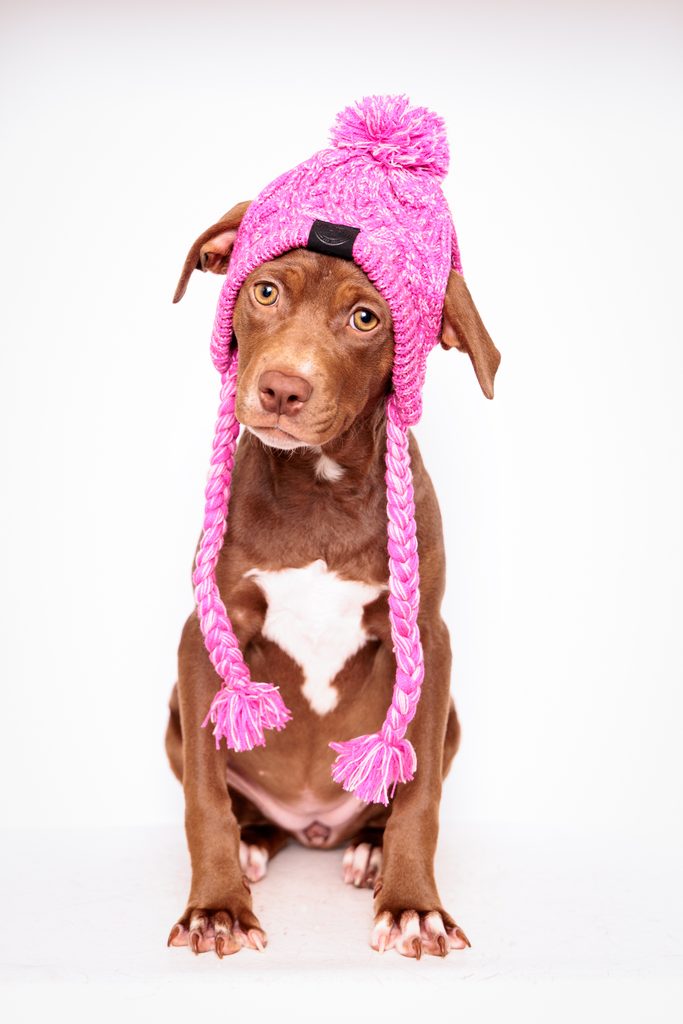
Never shave your dog in the winter. This removes their warm coat and puts them at risk. If you own a short-haired breed and they tolerate wearing clothes, consider a sweater or coat.
Be prepared. Cold weather brings the risk of winter storms and power outages. Prepare an emergency kit and include your pet in your plans. Have enough food, water and medicine (including preventatives) to last at least five days.
If you believe your pet may have ingested antifreeze or another toxin, call your veterinarian or contact the ASPCA’s Poison Control at (888) 426-4435. If you believe they have hypothermia or frostbite, contact an emergency veterinarian immediately.