Many people enjoy fireworks over the Fourth of July holiday, but fireworks can be terrifying for pets—causing many animals to escape their homes or yards and become lost. Animal shelters across the country often report an increase in strays following the holiday.

Kentucky Humane Society offers pet guardians the below guidelines to help keep their pets safe during the Fourth of July festivities:
- Leave pets at home during firework displays. Animals have a heightened sense of hearing so the loud “booming” noise can be deafening and cause pets to panic and want to hide. Take pets for quiet walks before the Fourth of July festivities begin or after they end.
- Keep pets indoors. Close all windows and curtains to muffle the sound of fireworks, and always provide plenty of food and water. Turning on a radio, television or fan also may help calm your pet. For pets who experience severe stress, owners may want to consult their veterinarian about prescribing a mild sedative to ease the pets’ stress. Guardians who are leaving town for the Fourth of July should consider boarding their pets.
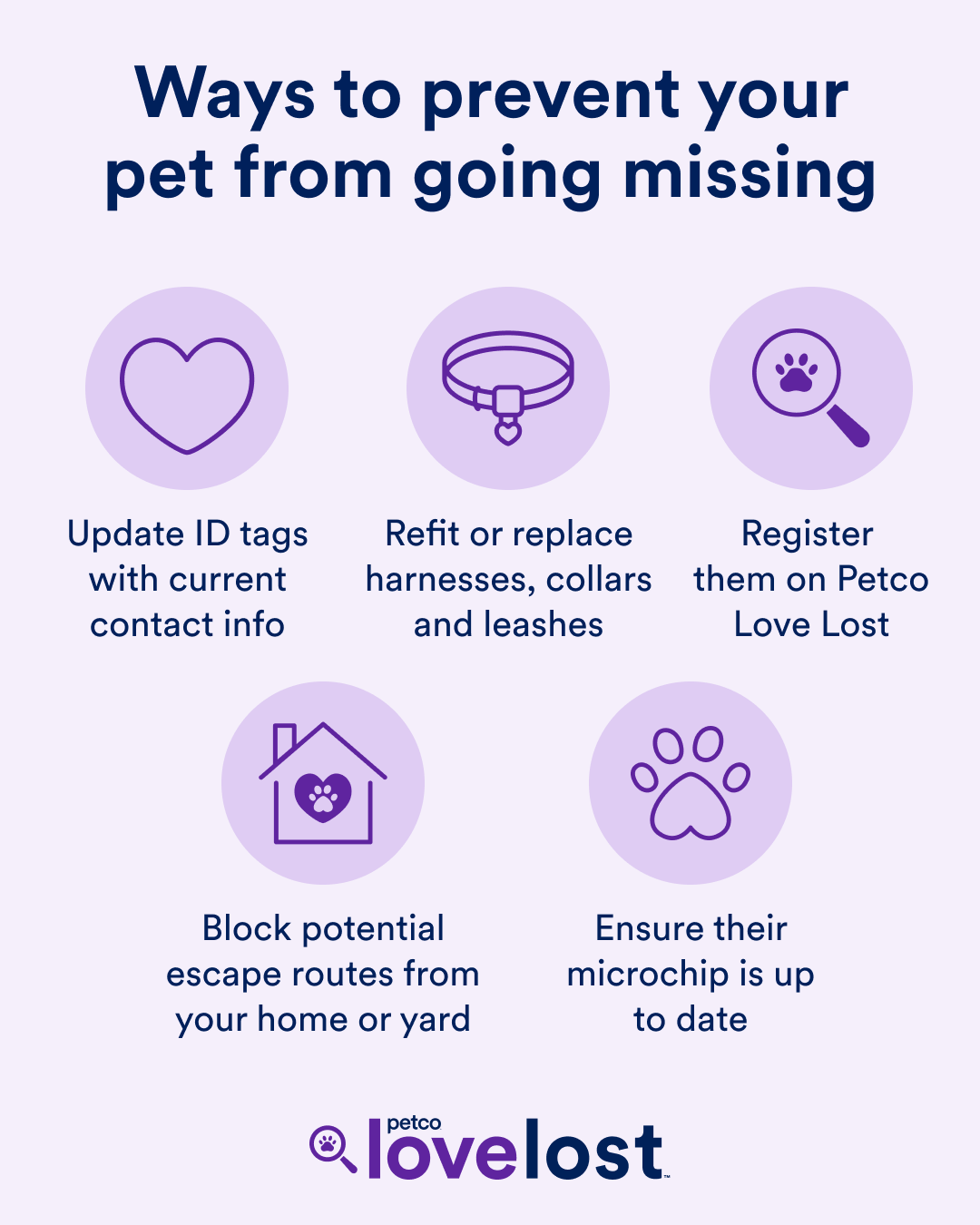
- Make sure all pets wear collars with identification tags at all times, even if the pet only lives indoors. The ID tag should include the guardian’s current address and phone number. Microchipping is also important, in case pet’s collars or tags are lost.
- Never let pets outside during fireworks. Pets can suffer burns, hearing loss and eye damage if they are too close to any explosion. Even having your dog on a leash may not prevent him from escaping during fireworks displays.
- Distract your nervous pet. If pets exhibit uncharacteristic behavior, such as incessant pacing, crying or whining, guardians should help distract them through play or another enjoyable pet activity.
- Clean up firework debris before letting pets outside. If pets eat the debris, it may cause digestive problems or serious injuries. Guardians should contact their veterinarian immediately if their pets have been exposed to any potentially toxic or poisonous substances.
- If you lose your pet or you find someone else’s pet, report to the right people. See if the pet has ID tags or a microchip. Most veterinary clinics and pet stores can scan a lost animal for a microchip. If a chip is located, their staff can contact the pet’s guardian or provide you with the information to get in touch (if the guardian selected this permission when they set up the chip). There are also local Facebook groups to post to and national databases like Petco Love Lost that work to reunite lost animals with their families. If no microchip is found, please contact Metro Animal Services. As Louisville’s municipal shelter, they are required by city ordinances to accept stray pets found in Jefferson County.